Medical care can involve difficult decisions, uncertain diagnoses, and outcomes that no one could have predicted. Still, patients may have questions when an avoidable mistake appears to cause serious harm. Resources such as cfcklaw.com can help readers understand the general issues that may arise after a suspected medical error.
A poor outcome alone does not necessarily mean malpractice occurred. In general, a claim requires evidence that a health care professional did not provide care consistent with the applicable professional standard, that the lapse caused injury, and that the injury resulted in measurable harm. The details, proof requirements, and filing deadlines vary by state.
When concerns arise, protecting health should come first. Seek appropriate medical attention, ask questions about the current treatment plan, and keep copies of records, prescriptions, test results, bills, and messages. Patients generally have the right to inspect and obtain much of the health information held by covered providers and plans under the HIPAA right of access.
Missed or Delayed Diagnosis
A missed diagnosis claim may arise when a provider allegedly fails to identify a medical condition that should have been recognized based on the patient’s symptoms, history, examination, or available testing. A delayed diagnosis involves identifying the condition later than reasonably expected. These cases often involve cancer, infections, stroke, heart conditions, or internal injuries, but every situation depends on the facts and medical evidence.
The key question is not simply whether a condition was initially overlooked. The issue is whether a reasonably careful provider in similar circumstances would have taken different steps, and whether an earlier diagnosis would likely have changed the patient’s outcome.
Misdiagnosis
A misdiagnosis occurs when a patient receives the wrong diagnosis. It can lead to unnecessary medication, procedures, delayed treatment for the actual condition, or emotional and financial strain. For example, symptoms of a heart problem, infection, or neurological condition may be attributed to a less serious illness.
Diagnosis is not always straightforward, especially when symptoms overlap or a disease is uncommon. For that reason, a mistaken diagnosis is not automatically negligent. A meaningful review considers the information available at the time, the differential diagnoses that should have been considered, and the effect of the error on the patient.
Medication Errors
Medication-related claims may involve prescribing the wrong drug, using an incorrect dose, overlooking a known allergy, failing to identify a dangerous interaction, or administering medication to the wrong patient. Errors can occur in a doctor’s office, hospital, pharmacy, nursing facility, or during a transition from one care setting to another.
Patients and caregivers can reduce confusion by keeping an updated medication list that includes drug names, doses, allergies, and supplements. It is also wise to compare discharge instructions with prescription labels and ask about any inconsistencies before taking a new medication.
Surgical Errors
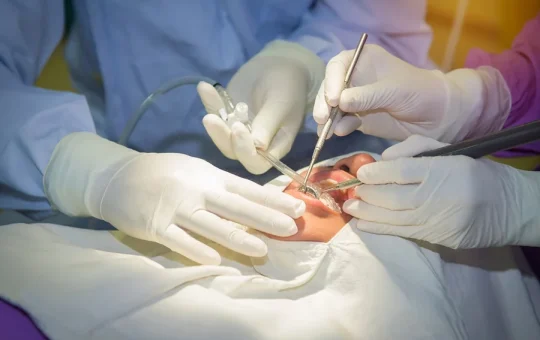
Surgical malpractice claims can involve operating on the wrong body part, performing the wrong procedure, leaving a surgical item inside a patient, damaging an organ or nerve, or failing to address a foreseeable complication. A surgical complication does not by itself prove negligence because some risks exist even with careful treatment.
However, preventable errors involving the wrong patient, wrong procedure, or wrong surgical site are particularly serious patient-safety concerns. The Agency for Healthcare Research and Quality discusses wrong-site, wrong-procedure, and wrong-patient surgery as events that signal important failures in safety systems.
Anesthesia Errors
Anesthesia requires close attention before, during, and after a procedure. Claims may involve an incorrect dosage, inadequate monitoring of oxygen levels or vital signs, failure to review relevant medical history, delayed response to complications, or improper airway management. Because anesthesia can affect breathing, blood pressure, and consciousness, an error may cause severe injury.
Birth Injury Claims
Birth injury claims may arise from alleged mistakes during pregnancy, labor, delivery, or newborn care. Examples include failing to recognize fetal distress, delayed delivery when urgent intervention was needed, improper use of delivery instruments, untreated maternal infection, or inadequate monitoring after birth.
These claims can be medically and legally complex. Some birth injuries result from conditions that could not have been prevented, while others may warrant closer review of prenatal records, monitoring strips, delivery notes, and neonatal care.
Improper Treatment
Improper treatment refers to care that may not be appropriate for the patient’s condition, or that falls below accepted practice. It can include an unnecessary procedure, a treatment that contradicts known clinical information, a delayed referral to a specialist, a failure to treat a known condition, or the use of an unsuitable treatment plan.
In many cases, qualified medical experts are needed to assess whether the chosen treatment was reasonable under the circumstances. A difference of professional opinion may exist without establishing malpractice.
Failure to Monitor or Follow Up
Care does not end when a test is ordered or a patient leaves the office. A provider may need systems to review test results, communicate urgent findings, monitor a patient’s response to treatment, and address worsening symptoms. Claims can arise when an abnormal lab result, imaging report, pathology finding, or post-procedure complication allegedly receives inadequate follow-up.
Lack of Informed Consent
Informed consent generally means a patient receives enough information to make a meaningful decision about a proposed treatment or procedure. Depending on the circumstances, that discussion may include the nature of the treatment, significant risks, expected benefits, alternatives, and the consequences of declining care.
A signed form can be important, but it may not tell the whole story. A consent-related claim often turns on what information was provided, whether the patient had a real opportunity to ask questions, and whether the undisclosed risk caused harm.
Hospital or Facility Negligence
Not every medical malpractice concern centers on one physician. Hospitals, clinics, nursing homes, and other facilities may face allegations of inadequate staffing, poor sanitation, unsafe patient transfers, communication failures, negligent credentialing, or insufficient emergency procedures.
These cases may involve several professionals and organizations, making documentation especially important. Records from every relevant facility, a dated symptom timeline, photographs when appropriate, and preserved communications can help clarify what happened.
What to Do After a Suspected Medical Error
1.Get prompt medical attention if symptoms are urgent or worsening.
2. Request records from doctors, hospitals, pharmacies, and other involved providers.
3. Write down dates, symptoms, instructions, and names of people involved.
4. Keep original documents and avoid altering screenshots or records.
5. Ask about legal deadlines promptly if a serious injury may be connected to medical care.
Final Takeaway
Medical malpractice claims can take many forms, from diagnostic and medication errors to surgical mistakes and inadequate follow-up. Each claim depends on the specific medical facts, the standard of care, proof of causation, and the harm suffered. Careful records and timely medical attention can help patients make informed decisions about their next steps.