Maintaining commercial outdoor spaces requires consistent effort, particularly for businesses responsible for large properties or multiple locations. Landscaping crews often work under tight schedules, balancing routine maintenance with unexpected tasks and seasonal demands. Having the right equipment plays an important role in keeping these operations efficient.
Commercial landscape equipment provides the speed and reliability needed to complete routine work with less manual effort, allowing employees to focus on their responsibilities and maintain productive workflows.
Reducing Time Spent on Routine Tasks
Landscaping involves several recurring responsibilities, from mowing expansive lawns to clearing leaves and maintaining planted areas. Performing these tasks with basic tools or unsuitable machinery often requires additional time and physical effort. Commercial landscape equipment, like the ones available at Commercial Mower Depot, offers specialized features designed to handle demanding workloads more efficiently.
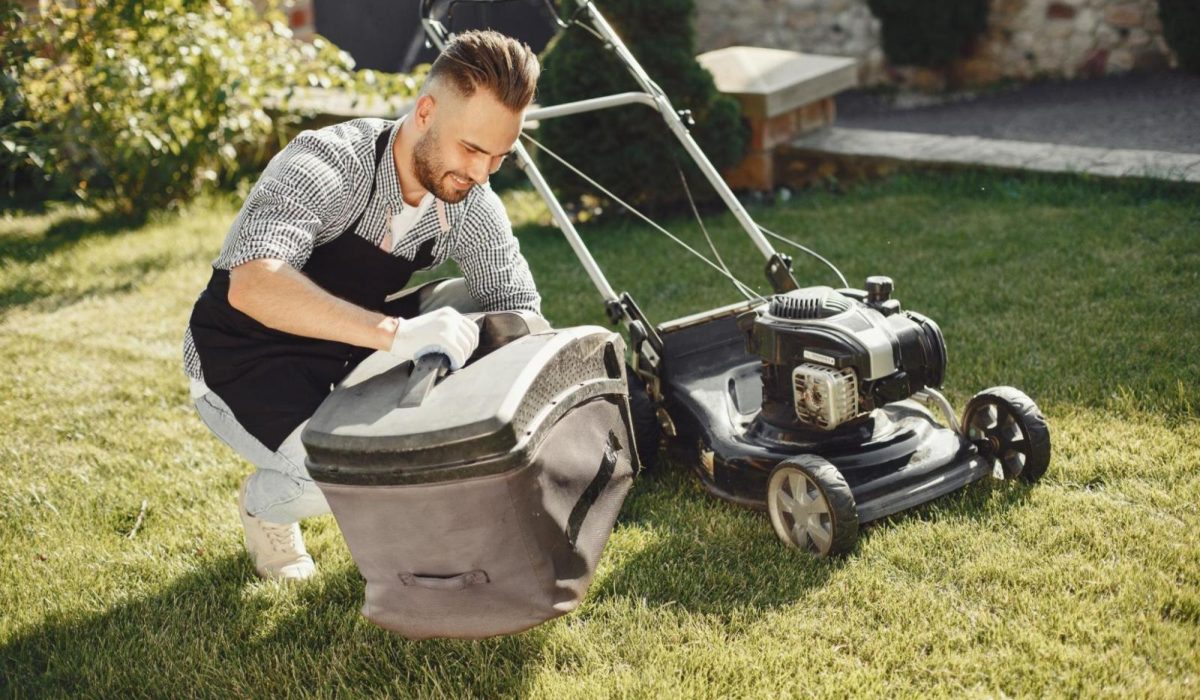
For example, commercial-grade lawn mowers cover larger areas in less time than standard residential models. Similarly, powered trimmers and leaf blowers allow workers to complete finishing tasks without spending excessive time on manual labor. By reducing the time required for routine maintenance, businesses give their employees more opportunities to address other priorities throughout the workday.
Improving Employee Work Efficiency
The quality of equipment directly affects how comfortably and efficiently employees perform their duties. Using machinery designed for professional landscaping lessens the physical demands associated with repetitive outdoor work.
Commercial equipment also offers performance features suited to extended use. Workers spend less time compensating for underpowered tools or dealing with equipment that struggles under demanding conditions. This allows landscaping teams to maintain a steady pace throughout their shifts. When employees have dependable tools suited to their responsibilities, they are better positioned to complete assignments without unnecessary strain or interruptions.
Minimizing Equipment-Related Downtime
Equipment problems often disrupt landscaping schedules. A malfunctioning mower or unreliable trimmer may prevent employees from completing assigned tasks, particularly when replacement equipment is unavailable. Frequent repairs also take time away from productive work.
Commercial landscape equipment is generally built to withstand demanding operating conditions and frequent use. Its durable components and professional-grade construction support consistent performance across regular maintenance schedules. However, even heavy-duty machinery requires proper care. Routine inspections and timely servicing help businesses avoid preventable breakdowns and extend equipment lifespan.
Investing in reliable machinery also reduces the likelihood of repeated disruptions. With fewer equipment-related interruptions, landscaping crews have a more predictable workflow and better control over their daily schedules.
Supporting Better Worksite Coordination
Efficient landscaping operations depend on how well employees and equipment work together. Having machinery suited to specific assignments allows managers to distribute responsibilities more effectively. For instance, larger mowing equipment suits expansive properties, while compact machines offer better maneuverability in confined spaces. Selecting equipment based on property requirements also reduces unnecessary movement between work areas.
Employees spend less time adjusting their approach to unsuitable machinery and more time completing their assigned duties. This improves coordination across the worksite and supports smoother transitions between maintenance activities.
Maintaining Consistent Work Quality
Productivity involves more than completing tasks quickly. Consistent results are equally important, especially for commercial properties where outdoor presentation reflects the business’s overall image. Professional landscaping equipment offers more precise operation and dependable performance, helping crews maintain consistent standards across different areas.
For example, commercial mowers provide even cutting performance across large lawns, supporting a uniform appearance. Specialized equipment also allows workers to handle specific maintenance requirements without relying on time-consuming manual methods. Consistent results decrease the need for repeated corrections, allowing employees to use their working hours more effectively.
The right commercial landscape equipment is an important investment in workforce efficiency. Machinery suited to daily responsibilities reduces manual effort and keeps routine maintenance moving according to schedule.
Businesses should evaluate their property size, along with workload requirements and equipment usage, before purchasing new machinery. Choosing appropriate commercial-grade equipment helps landscaping teams work more efficiently and maintain dependable service standards. Over time, these improvements support more organized operations and a productive workplace.