Indoor comfort depends on more than simply having an air conditioning system. The way the equipment is installed also affects how effectively it cools a room and maintains a pleasant environment. Even a high-quality unit may struggle to perform as expected if it is incorrectly sized or poorly positioned. Proper air conditioning installation ensures that the system operates efficiently and delivers consistent cooling throughout the property.
Investing in professional installation also supports long-term system performance. From maintaining stable indoor temperatures to improving airflow, a correctly installed air conditioner contributes to a more comfortable living or working environment.
Maintaining Consistent Indoor Temperatures
Uneven temperatures often indicate problems with an air conditioning system. Certain rooms may feel comfortably cool, but other areas remain warm despite the unit running continuously. Incorrect equipment sizing or poor installation practices often contribute to these issues.
Proper installation considers the cooling requirements of the entire property. An HVAC professional evaluates the room dimensions and other relevant factors before recommending suitable equipment. Correct placement also allows cooled air to circulate more effectively. With the right setup, an air conditioning system distributes cool air more evenly. This reduces uncomfortable temperature differences between rooms and supports a more pleasant indoor environment throughout the day.
Improving Indoor Airflow
Air circulation plays an important role in maintaining indoor comfort. Restricted airflow often causes certain areas to feel stuffy or warmer than others. It may also force the air conditioner to work harder to reach the desired temperature.
During installation, technicians assess the placement of indoor units and the positioning of supply vents. They also ensure that ductwork, where applicable, is properly connected and free from unnecessary restrictions. These considerations support smoother air distribution throughout the property.
Proper airflow allows conditioned air to reach the intended areas without unnecessary obstruction. As a result, occupants experience more consistent cooling and fewer uncomfortable hot spots.
Supporting Better Humidity Control
Indoor humidity affects how comfortable a room feels, even when the temperature appears reasonable. Excess moisture often produces a sticky atmosphere that makes warm conditions feel more uncomfortable. It may also contribute to condensation and moisture-related concerns.
An appropriately sized and properly installed air conditioning system regulates indoor humidity as part of its cooling process. The unit needs sufficient operating time to remove moisture from the air effectively. An oversized system, however, may cool a room too quickly and shut off before removing enough humidity.
Professional installation accounts for the property’s cooling demands to support balanced operation. This allows the air conditioner to maintain a more comfortable indoor atmosphere without excessive temperature fluctuations.
Reducing Unwanted Noise and Disruptions
An air conditioning system should provide cooling without becoming a constant source of disturbance. Unusual vibrations and excessive operating noise sometimes result from improper mounting or poorly secured components.
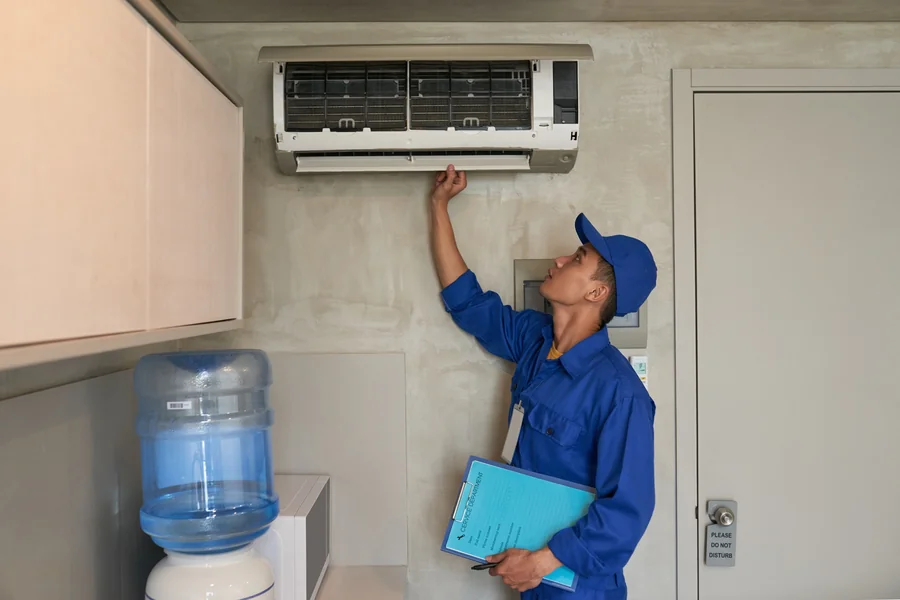
Professional installers, such as those from Airco, follow the manufacturer’s guidelines when positioning and securing the equipment. They also check the mounting surface and connections to reduce unnecessary movement during operation. Correct installation also contributes to quieter performance, which is particularly valuable in bedrooms and shared living spaces. A properly positioned outdoor unit also lessens the likelihood of unnecessary noise affecting occupants inside the property.
Improving Long-Term Cooling Performance
An improperly installed air conditioner often experiences unnecessary strain. Incorrect refrigerant levels, poorly connected components, or unsuitable equipment placement may interfere with normal operation. Over time, these issues contribute to reduced cooling performance and potentially expensive repairs.
Professional installation ensures that the system is configured according to manufacturer specifications. Technicians also test the equipment after setup to verify that it operates as intended. Addressing installation concerns early supports reliable performance and reduces the risk of avoidable problems.
A properly installed unit also provides more dependable cooling during periods of increased demand, particularly during warmer months.
Indoor comfort depends heavily on how well an air conditioning system is selected and installed. Proper setup supports consistent temperatures, effective airflow, and balanced humidity. It also reduces unnecessary noise and supports dependable equipment performance.
Working with qualified HVAC professionals provides confidence that the system is suited to the property’s cooling requirements. With careful installation and appropriate setup, property owners enjoy a more comfortable indoor environment and better long-term value from their air conditioning investment.