
Homes need regular upkeep, but repairs are not always the right solution. Some parts of a home eventually become too worn or outdated for maintenance to remain practical. Knowing when replacement makes sense helps homeowners plan ahead while keeping their living space comfortable and in good condition.
Age and everyday wear gradually affect how different parts of a home look and perform. From windows and siding to other commonly replaced features, recognizing the signs of wear helps homeowners know when it is time to consider an update. Below are some of the most common replacements homeowners may encounter and what to know before making the change.
Windows
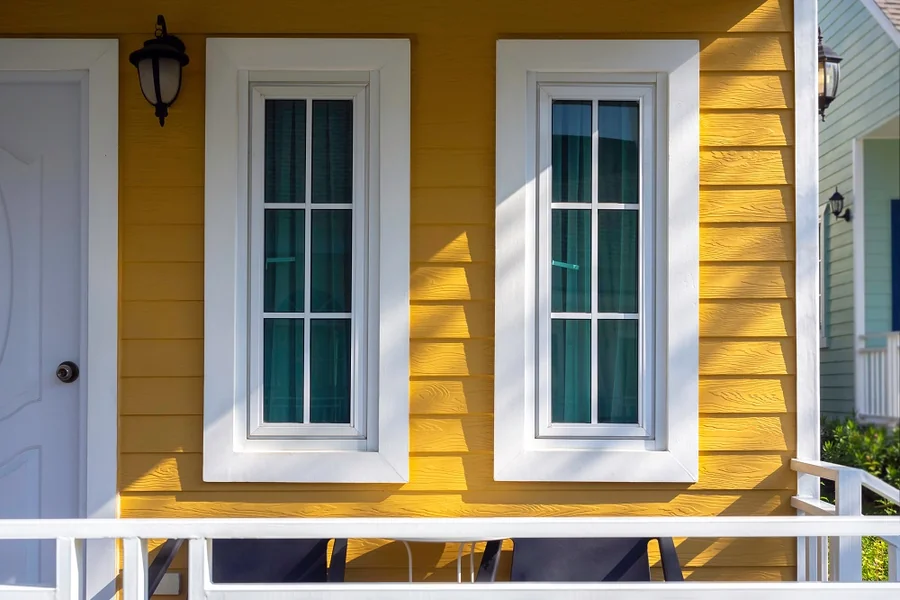
Windows play an important role in keeping a home comfortable while bringing in natural light and outdoor views. As they age, their performance may begin to decline, making everyday use more difficult. You might notice that a window sticks when opening, feels drafty around the edges, or develops moisture between the panes. These changes often indicate that the window is no longer providing the same level of protection and insulation.
The cost of replacing windows depends on the scope of the project and the condition of the existing installation. Factors such as window size, frame material, glass type, and installation requirements all affect the final price. Additional work around the opening may also increase the cost if the surrounding structure needs attention. Looking beyond the initial expense is useful since newer windows may improve insulation and overall maintenance needs.
Before setting a budget, an itemized estimate from contractors like A Pane in the Glass Construction, LLC, can provide a clearer idea of what the project involves. A detailed estimate also helps homeowners understand the expected installation work and potential costs before moving forward.
Siding
Siding protects your home from changing temperatures while also contributing to its overall appearance. Although some minor siding problems may be repaired, widespread damage may indicate that replacement is more practical. Look for cracked, warped, loose, rotting, or severely faded sections, particularly when these problems appear across multiple areas of the home.
You may also notice that moisture is getting behind the siding or that the material requires increasingly frequent repairs. Older siding loses its ability to provide the protection your exterior needs, especially after years of exposure to harsh weather. Vinyl siding replacement is one option homeowners may consider when existing siding has reached the end of its useful life. Replacing damaged siding refreshes the exterior while addressing problems that may otherwise continue to spread.
Exterior Doors
Exterior doors take on plenty of daily wear, from repeated opening and closing to exposure to humidity and temperature changes. A door that sticks, allows noticeable drafts, has damaged weatherstripping, or shows signs of rot may need more than a minor adjustment. Gaps around the frame also make it harder to maintain comfortable indoor temperatures.
Consider the condition of the door itself as well as the frame and surrounding area. If repairs are becoming frequent or the door no longer closes securely, replacement may provide a more practical long-term solution. A newer door may also offer improved insulation and hardware while giving the entryway a refreshed appearance.
Roof
A roof does not necessarily need to be replaced at the first sign of a leak, since small issues such as damaged shingles or minor flashing problems may still be repairable when addressed early. However, recurring leaks, sagging areas, widespread damage, or extensive deterioration may indicate that repairs are no longer enough. The roof’s age also matters because different roofing materials have varying lifespans, and an older roof may eventually require replacement rather than continued repairs. Regular inspections help homeowners monitor its condition and plan ahead before serious damage affects the interior of the home.
Gutters
Gutters are easy to overlook until they stop directing water away from the home properly. Small leaks or loose sections may be repaired, but gutters that are extensively cracked, rusted, sagging, or pulling away from the roofline may need replacement. Persistent clogs and overflowing water also indicate that the system is no longer functioning effectively.
When gutters fail, water collects near the foundation, stains exterior walls, damages landscaping, or contributes to moisture problems. Replacing worn gutters provides an opportunity to address these issues and ensure rainwater has a reliable path away from the home. Downspouts should also be checked because a properly functioning gutter system depends on effective drainage from the roof to the ground.
Conclusion
Home improvements are easier to manage when they are planned instead of triggered by sudden failure. A window that gradually becomes drafty, siding that steadily deteriorates, or a roof that approaches the end of its expected lifespan gives homeowners an opportunity to research options and prepare financially.
Start by keeping track of the age and condition of major exterior features. Take note of recurring repairs and performance issues as they appear. With a little planning, homeowners can prioritize replacements based on urgency and budget rather than waiting until a small problem becomes a much larger one.


