
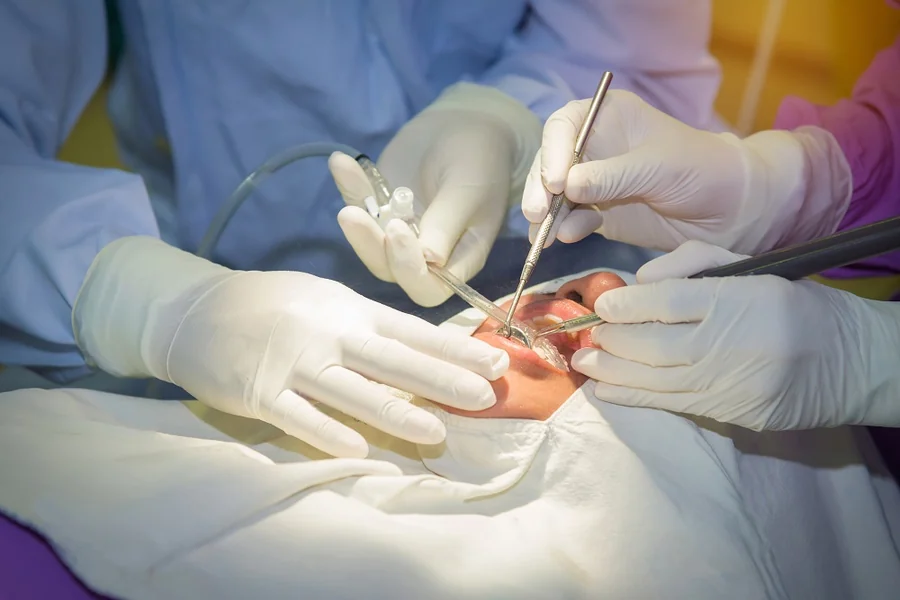
Oral surgery includes several procedures that address problems affecting different parts of the mouth and jaw. Although the word “surgery” may sound intimidating, many oral procedures follow a straightforward process designed to address a specific dental concern. A dentist may recommend surgery when a tooth cannot receive restorative treatment or when an underlying issue requires more involved care. The recommended procedure depends on the condition and the patient’s oral health. Knowing what happens during common procedures helps patients understand why their dentist recommends a particular treatment. With that in mind, here are several types of oral surgery and what each one involves.
Tooth Extraction
Tooth extraction involves removing a tooth from its socket when it is no longer healthy or begins to cause problems within the mouth. Severe decay, extensive damage, infection, or limited space may lead a dentist to recommend this procedure. Wisdom teeth may also need to be removed if they become impacted or create complications as they develop.
Many dental clinics, including Mill Creek Dental, may recommend extraction when removing a problematic tooth supports the patient’s overall oral health. The procedure helps prevent a damaged or infected tooth from contributing to further dental complications. After the extraction, the dentist provides specific instructions to protect the treatment area and encourage proper healing. Following these guidelines helps lower the risk of infection and supports a smoother recovery.
Dental Implant Surgery
After losing a tooth, some patients may consider dental implant surgery to replace its root and support a permanent restoration. During the first stage, the dentist places an implant into the jawbone at the site of the missing tooth. The jaw then needs time to heal around the implant and create a stable foundation. Once the area heals, the dentist attaches an abutment that connects the implant to the replacement tooth. A dental crown typically completes the restoration and restores the visible portion of the tooth. Some patients may need additional treatment before implant placement if the jawbone lacks enough support. Your dentist will evaluate the condition of the treatment area before developing an appropriate implant plan.
Bone Grafting
In some cases, the jawbone needs additional support before a dental implant moves forward. Bone grafting adds material to an area with insufficient bone volume, creating a foundation for new bone growth. Tooth loss, trauma, or infection may contribute to bone loss in the jaw. During the procedure, the dentist places grafting material into the affected area and protects the site while it heals.
The body gradually develops new bone around the graft as healing continues. Recovery time depends on the amount of grafting and the location of the treatment area. Once the jaw develops enough strength, the dentist can determine whether it is ready to support a dental implant.
Gum Surgery
Oral surgery also focuses on the gums when gum disease affects the tissues that support the teeth. When nonsurgical treatment does not adequately address advanced gum problems, a dentist may recommend a surgical approach. Depending on the condition, the procedure may involve accessing areas beneath the gumline to remove harmful buildup and affected tissue. Some treatments also reshape gum tissue or address areas where the tooth root has become exposed.
The dentist will explain the specific procedure based on the condition of the gums and supporting structures. After treatment, careful cleaning helps keep the area healthy during recovery. Regular dental visits also allow the dentist to monitor healing and manage factors that contributed to the gum problem.
Cyst or Growth Removal
Oral surgery may also address unusual cysts or growths that develop inside the mouth or jaw. A dentist may discover these during a routine examination or through dental imaging, even when no symptoms are present. When removal is necessary, the surgeon removes the affected tissue for further evaluation when appropriate. The size and location of the growth help determine the surgical approach and recovery time. Any unusual lump, persistent sore, or unexplained change in the mouth should be evaluated by a dental professional.
Final Thoughts
Oral surgery may sound concerning at first, but understanding the reason for treatment makes the experience feel more manageable. Each procedure addresses a specific dental concern, so your dentist will consider your oral health before recommending treatment. Knowing what the procedure involves also helps you prepare for the recovery period and follow the right aftercare steps. If your dentist recommends oral surgery, asking questions about the process gives you a clearer idea of what to expect. With clear guidance and proper care, you can move through treatment feeling more informed about your dental health.