
Recipes for Menstrual Phase – Foods to Boost Energy and Comfort
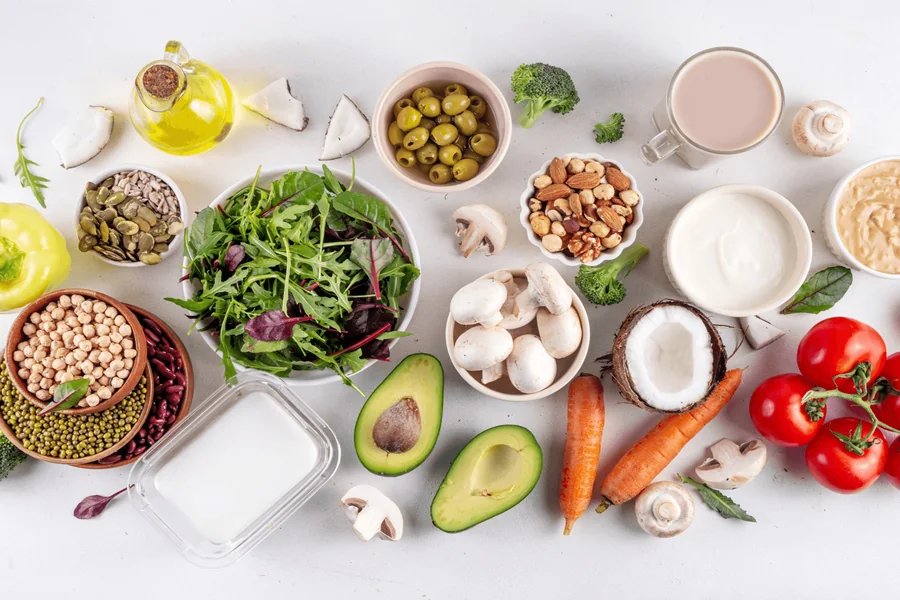
Menstrual cycle is a critical event in the menstrual process where the body discharges the uterine wall. In this period, women tend to have cramps, fatigue, bloating, headaches, and subjective mood swings. Nutrition is important in the control of such symptoms and the general wellbeing.
Dietary consideration during the menstrual period can also be used to replace the lost nutrients and aid the levels of energy. Menstrual phase recipes are usually based on iron, magnesium, omega-3, and vitamin-rich ingredients. These are nutrients that help in alleviating pain and elevating moods.
It is also necessary to hydrate at this stage. Taking water, herbal teas and eating water-rich foods helps to reduce bloating and aid digestion. This step can be made more comfortable with a conscious attitude towards food.
Balance of hormones is also facilitated by a balanced diet during menstruation. Foods that contain anti-inflammatory substances lessen cramps and aid in the regulation of body functions. Warm and nourishing meals are incorporated in it and comfort the body and contribute to overall health.
Essential Nutrients During Menstruation
Menstruation is a period that requires iron to compensate the lost blood contents. Good sources are leafy greens, red meat, lentils and beans. Fatigue and anemia can be prevented with the help of iron-rich recipes.
Magnesium causes a reduce in cramps and dilation. Magnesium is abundant in nuts, seeds, whole grains and leafy vegetables. Recipes with such ingredients may help to alleviate pain and assist in energy.
Omega-3 fatty acids combat inflammation and promote hormone balance. Chia seeds, flaxseeds, and walnuts are usually added to recipes in menstrual phase as they offer those benefits.
Vitamin B6 regulates mood and energy. During menstruation, foods such as bananas, sweet potatoes and poultry will help in controlling mood swings.
Calcium aids muscle activity and decreases the menstrual pain. Almond or soy milk are excellent substitutes and are dairy products or fortified plant products.
Breakfast Recipes for Menstrual Phase
In the morning, it is better to have a warm bowl of oatmeal with chia seeds, berries, and sprinkled with a drizzle of honey. It contains fiber, iron, antioxidants and maintains energy levels constant.
Spinach, banana, flaxseeds, and almond milk smoothes are nutritious and digestible. They are sources of omega-3s, magnesium, and iron.
Sautéed spinach and tomatoes scrambled eggs provide both protein and iron, and B vitamins. This can be combined with the whole-grain toast that provides fiber and maintains energy.
Whole-grain bread topped with avocado, with a sprinkle of a healthy dose of seeds, is a nutritious light breakfast. Healthy fats and magnesium help in energy and relieving bloating.
It is possible to add herbal teas such as ginger or chamomile in a breakfast. They relax spasms, enhance digestion and give a good beginning to the day.
Lunch Recipes for Menstrual Phase
Quinoa salad consisting of roasted vegetables, chickpeas, and light dressing of olive oil is also nutritious and full of energy. It is a source of iron, magnesium, protein and fiber.
Carrot, celery and garlic lentil soup is anti-inflammatory and hydrating. It promotes energy and also controls fatigue at the menstrual period.
Salmon which is grilled with steamed broccoli and brown rice provide omega-3s, vitamins and minerals. The meal aids in the reduction of inflammation, as well as hormone balance.
Wraps: wraps serve to prepare dishes with hummus, spinach and roasted sweet potatoes, which are fast and healthy. They are conveniently made and contain magnesium, fiber and protein.
Tofu and sesame oil vegetable stir-fries are nourishing, cozy and filled with nutrients. Leafy greens are also good at contributing iron, and tofu can be used to get protein and have long-lasting energy.
Dinner Recipes for Menstrual Phase
Ginger and garlic chicken and vegetable stir-fry is also warming and anti-inflammatory. It is balanced in food when it is served with brown rice or quinoa.
Lentil or chickpea vegetable curry is healthy and satisfying. The spices such as turmeric aid in the reduction of inflammation and digestion.
Baked salmon, roasted sweet potatoes and green beans contain omega-3s, magnesium and fiber. This mix aids in the reduction of cramps and enhances comfort.
Vegetable and tofu stew is a vegetarian dish, which is rich in vitamins, minerals and protein. It aids in preventing bloating and it provides needed nutrients.
Warm soups, e.g. pumpkin or carrot soup, are easy to digest and calming and hydrating. They are a source of minerals, vitamins and solace during the menstrual period.
Snacks and Drinks for Menstrual Comfort
Magnesium and iron are found in snacks such as roasted almonds, pumpkin seeds, walnuts and dark chocolate. They are convenient to consume and curb urges.
Watermelon, berry and oranges can be used in fruit salads to keep the body hydrated and have antioxidants that keep the body healthy.
Spinach, banana, chia seeds, and nuts in a smoothie bowl can be a nutritious choice to get a person a mid-day boost of energy.
Herbal teas, such as chamomile, peppermint, or ginger, ease cramps and aid digestion, as well as calm down the body in the menstrual period.
The oats, peanut butter, and flaxseeds energy balls are simple to prepare and stay healthier and nutrient-enriched. They are a combination of protein, fiber and healthy fats.
Lifestyle Tips to Complement Recipes for Menstrual Phase
Small frequent meals are also effective in keeping one energetic and prevent bloating. Protein, fiber and healthy fats along with other nutrients in balanced meals maintain blood sugar levels.
It is necessary to keep hydrated. Water, herbal teas, and fruits with abundant water aid in digestion, lessen bloating, and eliminate fatigue.
Adding some physical movement like walking or stretching aids in circulation and decreases cramps. Exercise and high quality foods are the best combination in increasing comfort level.
Mood swings and bloating can be prevented by not taking too much sugar, processed foods, and caffeine. Whole food and natural ingredients are less problematic to digest and more nutritious.
Proper rest aids in the support of the body during menstruation. In combination with high-nutrient food, it enhances recovery and decreases fatigue.
Final Thought
Menstrual phase recipes are aimed at assisting the body using nutritious and comfort meals. Iron, magnesium, omega-3s, vitamin B6, and calcium play a critical role in fatigue, cramp, and mood swings reduction. It is possible to add warm breakfasts, hydrating soups, and nutritious snacks to the overall comfort and energy. Eating mindfully and eating balanced formulas will guarantee the women are well-nourished and supported throughout this period of the menstrual cycle. This is a combination of recipes with hydration, light exercise, and rest, which would be a comprehensive solution to menstrual health.
FAQs
What are the best recipes for menstrual phase?
The best recipes include iron-rich meals, magnesium sources, omega-3 foods, and hydrating dishes that reduce cramps and fatigue
Which nutrients are important during menstruation?
Iron, magnesium, omega-3 fatty acids, vitamin B6, calcium, and hydration are essential to support energy and comfort during the menstrual phase
Can smoothies help during the menstrual phase?
Yes, smoothies with spinach, banana, flaxseeds, and almond milk provide nutrients, ease digestion, and supply steady energy
Are warm meals better during menstruation?
Yes, warm meals like soups, stews, and curries soothe cramps, aid digestion, and provide comfort
Which snacks are recommended for menstrual phase?
Roasted almonds, pumpkin seeds, dark chocolate, fruit salads, and energy balls provide magnesium, iron, and healthy fats
Can dietary choices reduce menstrual cramps?
Yes, consuming anti-inflammatory foods, magnesium, omega-3s, and warm, nourishing meals can reduce cramps and discomfort
How does hydration affect menstrual symptoms?
Hydration reduces bloating, supports digestion, and helps maintain energy levels throughout menstruation
Are plant-based meals suitable during the menstrual phase?
Yes, plant-based meals with legumes, tofu, leafy greens, and whole grains provide essential nutrients and are gentle on digestion
How often should I eat during the menstrual phase?
Eating small, balanced meals throughout the day helps maintain energy, reduce bloating, and prevent fatigue