
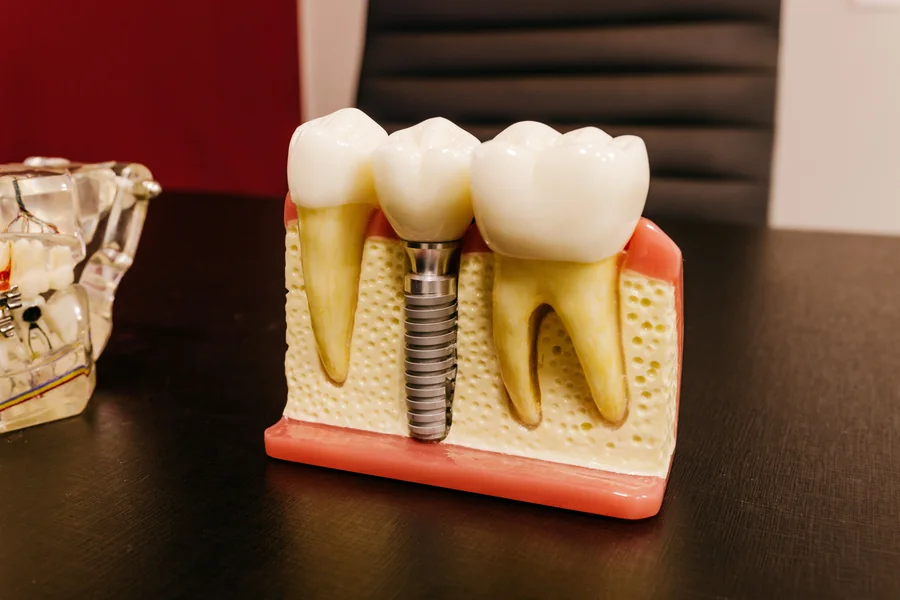
Most people starting to look at tooth replacement focus right away on shade matching and chair time. Yet the real anchor sits hidden beneath the gums in the jawbone itself. Think of dense bone like packed earth around a fence post that keeps every bite steady.
Thin or softer bone rarely shuts the door on a natural-looking smile. Plenty of adults start with low bone volume and still get dependable results after thoughtful planning. Getting familiar with how jawbone density works makes a first office visit feel far less intimidating. Knowing what happens under the gumline also helps someone ask clear, practical questions right from the start.
Understanding How Jawbone Density Works
Jawbone density is simply how tightly packed the mineral structure is inside the upper or lower jaw. Natural tooth roots send gentle chewing signals into that bone every day, which keeps the ridge sturdy. Once a tooth is gone, those daily signals stop, and the body gradually reshapes the space left behind. Dentists often mention osseointegration, which just means living bone grows right up against a titanium or ceramic post until it feels solid. Upper jawbone naturally feels softer and more open than the lower jawbone, and people who wear removable dentures for years often see extra shrinking along the ridge.
Evaluating Bone Before Treatment Begins
A good evaluation starts well before any surgical step lands on the schedule. Dentists check bite balance, gum health, medical history, and bone height together during an initial visit. Modern practices use digital X-rays and three-dimensional scans to measure bone width and depth cleanly. Those images map out nerves and sinus spaces so placement never relies on guesswork.
Some patients still feel nervous looking at a scan when they sit in the dental chair. A steady clinician walks through the pictures side by side in everyday words so the person feels in the loop.
Navigating Low Bone Density With Confidence
Finding out the jawbone is thin can catch a patient off guard during a routine appointment. Many people assume low density means an instant no from the care team. Often, thin bone simply calls for extra groundwork before placing a replacement root. Bone grafting is one common way clinicians rebuild width or height where bone has worn down. Tiny grafting grains work like scaffolding that helps the body grow stronger bone over a few months, while sinus lifts do similar work when upper back teeth sit close to a low sinus floor.
Adults who look into dental implants after years with bridges or partials frequently find that rebuilding bone brings strong options back into play. Recovery timing depends on how much rebuilding happens before the post goes in. Asking how each step shapes day-to-day comfort and healing time sets realistic expectations early.
Supporting Strong Bone Through Daily Habits
Everyday routines quietly shape jaw health long before any dental work is discussed. Getting enough calcium and vitamin D supports bone strength throughout the entire body. Smoking and poorly managed diabetes can slow tissue healing and make keeping bone healthy much harder. Booking care promptly after a tooth extraction also helps hold ridge shape before nearby teeth start shifting.
Conclusion
Bone density guides how a dentist plans tooth replacement, yet low density rarely ends the conversation. Clear three-dimensional scans and targeted rebuilding steps help many adults move forward safely. Grasp the basics ahead of time, and an office visit turns into a calm, useful talk about long-term comfort. Pairing sturdy bone support with steady daily habits protects a healthy smile for years down the road.