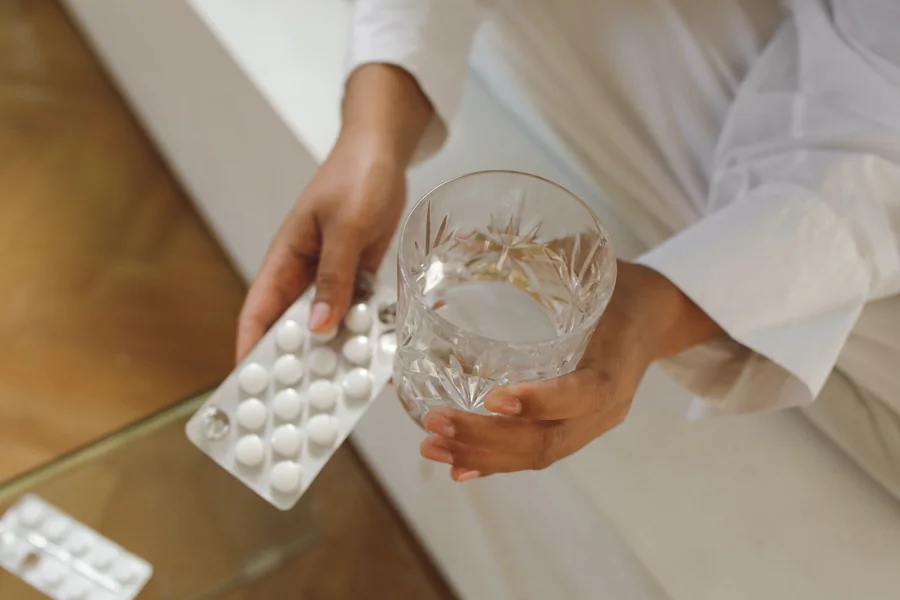
Recovery from substance use has changed a lot over the past few decades, moving past the old habit of forcing people to quit cold turkey. Clinics across the United States rely on Medication-Assisted Treatment, often called MAT, so people can heal safely without suffering through unbearable agony. Heavy substance use rewires brain chemistry to expect drugs or alcohol just to feel steady, which makes sudden withdrawal hit with severe sickness and intense mental urges. MAT pairs safe, FDA-approved prescriptions with counseling to calm those mixed-up brain signals without creating a high. Once the physical pain and constant cravings back off, patients can finally focus in therapy and start rebuilding their daily routines.
Supporting Opioid Recovery Through Targeted Prescriptions
Opioid recovery is tough because physical withdrawal can feel like the worst flu imaginable, pushing many people right back to using just to get relief. Doctors often turn to buprenorphine to ease that early stretch, since it gently latches onto pain receptors in the brain and stops withdrawal sickness quickly. Because buprenorphine has a built-in ceiling effect, taking extra doses will not trigger a rush of euphoria, making it a dependable choice for steady progress.
Methadone is another longtime option that has helped thousands of Americans pull back from severe opioid dependence. Unlike buprenorphine, which patients can often take at home, methadone is usually given daily at specialized clinics under close medical supervision to keep withdrawal away for a full twenty-four hours.
Managing Alcohol Dependence With Proven Medications
Alcohol use disorder also responds well to medical support, giving people a real way forward when daily drinking feels hard to shake. Naltrexone is one common prescription that acts like a shield over the brain’s reward centers. If someone has a drink while taking naltrexone, it blocks the buzz they normally expect. Over time, the brain stops tying alcohol to a reward, so the urge to drink fades on its own.
Doctors also use acamprosate to help people who have already stopped drinking stay steady in sobriety. Long-term heavy drinking knocks the brain’s natural calming chemicals off balance, leaving newly sober people feeling edgy, restless, and on edge for months. Acamprosate gently brings that chemical balance back so the body feels less wound up. Disulfiram works in a completely different way by causing quick, unpleasant nausea if any alcohol enters the body, giving people a strong physical reason to pause before taking a drink.
Integrating Therapy and Medical Care Inside Treatment Facilities
Medication on its own is never a cure-all at good treatment centers because pills and shots cannot mend strained relationships, past trauma, or old stress habits. Quality programs pair prescriptions with individual counseling and group support so patients can spot emotional triggers and build real-life coping skills.
Programs in California show how this blended care works in practice, with facilities like Brighter Days Detox combining round-the-clock medical monitoring during early withdrawal with personalized counseling plans. A person there might get comfort medications during initial detox while working with a counselor to plan what comes next.
Linking early physical relief with ongoing emotional support keeps people from feeling left on their own once the worst physical symptoms pass.
Overcoming Common Myths About Addiction Medications
Plenty of misunderstandings still surround recovery medications, even after years of solid medical evidence. The biggest myth is that taking a prescribed medication just trades one addiction for another, even though active addiction wrecks health and finances while prescribed treatment helps restore normal brain function. Taking a measured dose of buprenorphine or naltrexone is no different than a person with diabetes taking insulin to keep blood sugar steady.
Another common belief is that people should get off these medications as fast as possible, yet cutting medical support short too soon often leads to relapse. Doctors work one-on-one with each patient to figure out a timeline that fits their recovery.
Conclusion
Medication-Assisted Treatment has turned addiction recovery from a grueling test of willpower into a practical, medically guided process. Pairing safe prescriptions with steady counseling gives everyday Americans a realistic shot at lasting sobriety. Knowing how these options work takes away some of the fear and old stigma that stop people from reaching out. With a solid medical team and a tailored plan, real recovery becomes within reach rather than out of sight.